Train Your Eye: How Reading Patterns in Beauty Marketing Can Make You a Smarter Shopper
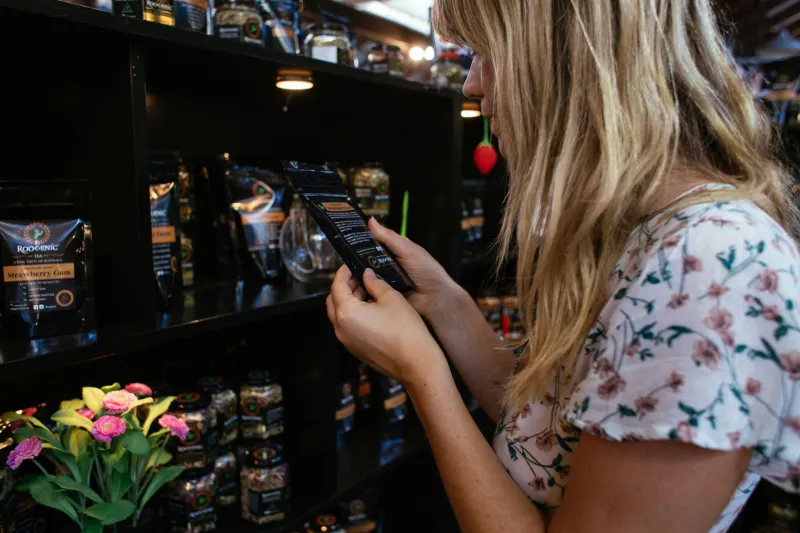
Giraffes are extraordinary animals for a reason that has nothing to do with their height. Each one carries a coat of completely unique patches — no two patterns are ever the same. It's nature's way of encoding identity, and honestly? Beauty brands do something remarkably similar. Once you learn to read their patterns, you'll never unsee them.
Conscious beauty shopping used to mean squinting at ingredient lists in the drugstore aisle, hoping you'd memorized enough chemistry to know whether something was safe. But the modern version of this skill is more nuanced — and more powerful. It's less about memorizing every INCI name and more about recognizing the patterns that ethical brands consistently leave behind, and the ones that less scrupulous companies hope you'll overlook.
This is pattern recognition as a beauty skill. And it's worth developing.
Why Our Brains Are Already Wired for This
Human beings are pattern-recognition machines. It's literally how our brains evolved — to detect signal from noise, to identify friend from foe, to make fast decisions with incomplete information. We do it with faces, with weather, with social dynamics. And whether we realize it or not, we do it with brands, too.
The problem is that our pattern recognition can be hacked. Marketing teams know exactly which visual cues, words, and aesthetic choices trigger a sense of trustworthiness. Earthy packaging, green fonts, words like pure, natural, and conscious — these are signals our brains are primed to respond to. The beauty industry has spent decades reverse-engineering that response.
But here's the thing: once you know that, you can start reading more carefully. You can start distinguishing between brands that have genuinely built something ethical and those that are wearing sustainability like a costume.
The Red Flag Pattern: Vagueness as a Strategy
One of the most reliable warning signs in beauty marketing is strategic vagueness. It shows up in a few consistent ways.
First, there's the classic free-from list that tells you nothing about what's actually in the product. "Paraben-free! Sulfate-free! Free from 1,400 harmful chemicals!" Great — but what are you using instead? Brands that are genuinely committed to clean formulation are usually just as eager to talk about their actives as they are about their omissions.
Second, watch for certifications that sound official but aren't independently verified. "Dermatologist-tested" means a dermatologist looked at it — not necessarily that they approved it, and not necessarily that the test was rigorous. "Clinically proven" can mean a brand ran its own internal study with twelve participants. Legitimate third-party certifications — think MADE SAFE, EWG Verified, USDA Organic, or Leaping Bunny — follow transparent standards that are publicly available. If a brand's "certification" doesn't have a traceable standard behind it, that's a pattern worth noting.
Third, pay attention to ingredient list placement. Ingredients are listed in descending order by concentration. If a brand is marketing a product as a vitamin C serum but ascorbic acid appears near the bottom of a 40-ingredient list, behind several fillers and fragrance compounds, the pattern is clear: this is a vitamin C serum in name only.
The Green Signal Pattern: Transparency That Costs Something
Ethical brands leave a different kind of trail. The pattern here is transparency that actually requires effort — because real accountability isn't free.
Look for brands that name their suppliers or show their sourcing chain. This is still relatively rare in the beauty industry, and when a company does it, it usually means they've done the work to verify those relationships. Brands like this aren't just saying "we care about the planet" — they're showing you the farm, the co-op, the fair-trade partnership.
Another green signal: honest communication about limitations. Brands that are genuinely committed to sustainability tend to acknowledge where they're still falling short. You'll see language like, "We haven't found a fully sustainable alternative for this packaging yet, but here's what we're working on." That kind of candor is uncomfortable to fake because it invites scrutiny rather than deflecting it.
And then there's ingredient education. Brands that formulate with integrity generally want you to understand what's in their products. They'll explain why they chose a particular preservative system, what makes their extraction process different, why they use a synthetic version of an ingredient rather than a natural one (sometimes the synthetic option is actually safer and more sustainable — and honest brands will tell you that).
How to Build Your Own Beauty Pattern Library
You don't need a chemistry degree to get good at this. What you need is a little intentionality and a willingness to slow down before you buy.
Start with one brand you already trust. Study their ingredient philosophy, their sourcing claims, their certification badges. Read the fine print. This gives you a baseline — a reference pattern for what genuine transparency actually looks like in practice.
Compare it to a brand that feels off. Maybe the packaging is gorgeous and the Instagram is immaculate, but something feels vague. Put the two side by side. Where does the second brand go quiet where the first one goes deep? That silence is data.
Use the EWG Skin Deep database as a reality check. It's not perfect — no tool is — but it's a solid starting point for cross-referencing ingredient safety claims against independent research. If a brand is calling something "completely safe" and the database flags it as a moderate hazard, you've found a pattern worth questioning.
Follow the money, or at least the certifications. Third-party certifications cost brands real money and require ongoing compliance. A brand that has invested in Leaping Bunny or MADE SAFE certification has made a verifiable commitment. One that uses vague language like "cruelty-conscious" or "clean-ish" has not.
The Bigger Picture
Here's what makes this skill genuinely exciting: the more you use it, the faster it gets. Pattern recognition, once trained, becomes almost automatic. You start to feel it before you can fully articulate it — a vague unease with a brand's website copy, an instinctive trust in how another brand structures its ingredient transparency.
That instinct isn't magic. It's data, accumulated quietly, over time.
And in a beauty industry that is still, despite real progress, rife with greenwashing and marketing theater, that instinct is one of the most valuable things you can develop. Because the brands that deserve your dollars — the ones genuinely doing the hard work of ethical sourcing, clean formulation, and honest communication — they're out there. You just have to learn to read their patterns.
Like a giraffe's coat, once you know what to look for, you'll never mistake one for another again.