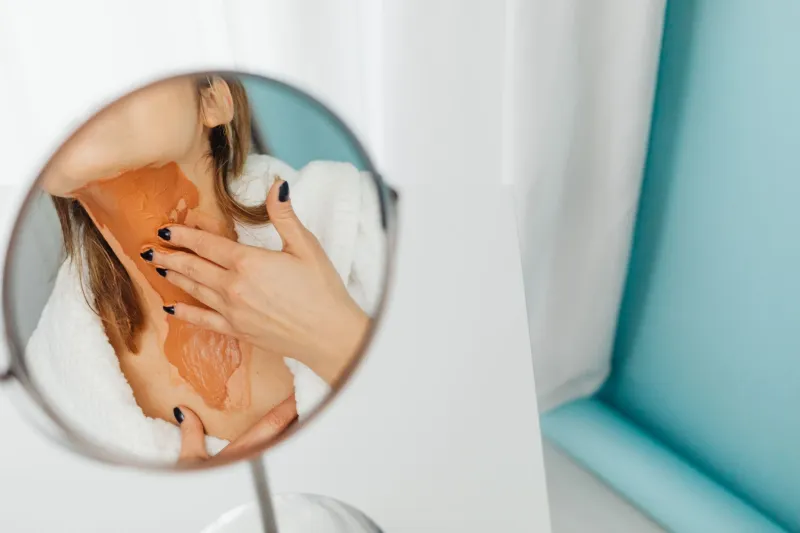
Pores, Bumps, and All: Why Skin Texture Is the New Skincare Flex
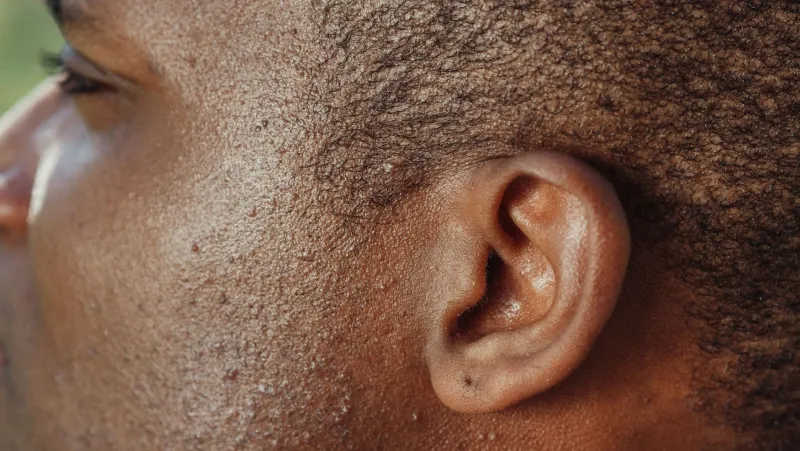
For years, the gold standard of 'good skin' looked like something you'd find on a porcelain doll — smooth, luminous, utterly pore-free. Social media didn't help. Filters designed to blur every bump and shadow became so normalized that many of us genuinely forgot what real human skin looks like up close. But something is shifting. Slowly, beautifully, and with a whole lot of honesty, texture is having its moment.
And no, we're not talking about a passing Instagram aesthetic. This is a full-on cultural recalibration of what healthy, beautiful skin actually means.
What We Mean When We Talk About Texture
First, let's get clear on what skin texture actually is, because it's not a single thing. Texture is the catch-all term for any variation in the skin's surface — enlarged pores, fine lines, bumps from keratosis pilaris, post-acne marks, dry patches, or just the natural grain that every human face has when you look closely enough. It's the stuff that beauty ads have spent decades telling us to eliminate.
Here's the thing, though: most of what we call 'texture' is completely normal. Board-certified dermatologist Dr. Ava Simmons, who practices in New York City, puts it plainly: "Skin is an organ, not a screen. It has structure, it has function, and part of that function involves having a surface that isn't perfectly flat. When we obsess over erasing texture, we're often working against the very mechanisms that keep skin healthy."
That's a perspective worth sitting with.
The Skin Barrier Connection
Here's where the science gets genuinely interesting. Your skin's outermost layer — the stratum corneum — is a complex, layered structure that acts as a physical barrier between your body and everything the world throws at it: pollution, UV rays, bacteria, allergens. When that barrier is functioning well, it naturally has a slightly uneven, textured quality. The lipids, proteins, and cells that make it up aren't arranged in a perfectly smooth sheet.
When people aggressively pursue a smoother complexion through over-exfoliation, heavy resurfacing treatments, or stripping cleansers, they can actually compromise that barrier. A damaged barrier leads to sensitivity, redness, increased breakouts — and ironically, more of the texture issues they were trying to fix in the first place.
"Chasing perfectly smooth skin often backfires," says esthetician and clean beauty advocate Renata Cruz, based in Los Angeles. "I see clients who've used aggressive chemical exfoliants five times a week because they wanted glass skin, and their barrier is completely wrecked. We have to reframe the goal."
The reframe she's suggesting? Care for your skin so it functions well, and let its natural surface be what it is.
Conscious Consumers Are Opting Out of the Blur
Across the US, a growing segment of beauty consumers — particularly millennials and Gen Z — are actively choosing to step away from the filtered ideal. Hashtags like #NoFilter and #TextureTuesday have built genuine communities of people sharing unretouched close-ups of their skin, complete with pores, bumps, and all.
Jasmine T., a 29-year-old teacher from Atlanta, started posting unfiltered selfies after years of feeling inadequate about her skin. "I have keratosis pilaris on my cheeks and I spent so much money trying to get rid of it. Then I started seeing other people just... owning it. And I realized I was exhausting myself chasing something that wasn't even achievable without Facetune."
This kind of consumer awakening is meaningful, and it's pushing brands to respond. At Sophie La Girafe Cosmetics, we've always believed that clean beauty is about working with your skin, not against it — and the texture conversation fits right into that philosophy. Products that strengthen the barrier, support hydration, and enhance what you've got naturally are having a serious moment.
How to Actually Care for Textured Skin (Without Trying to Erase It)
Embracing texture doesn't mean abandoning your skincare routine. It means being intentional about what you're actually trying to achieve. Here's how conscious consumers are reframing their approach:
Lead with hydration, not exfoliation. Dehydrated skin looks rougher and more uneven. Before you reach for the exfoliant, ask whether your skin is getting enough moisture. Ingredients like hyaluronic acid, glycerin, and ceramides are your texture-friendly best friends — they plump the skin from within and support barrier integrity.
Exfoliate mindfully — and less often than you think. Chemical exfoliants like lactic acid and PHAs (polyhydroxy acids) are gentler options than AHAs for people with sensitive or textured skin. Once or twice a week is plenty for most people. More is not more.
Look for barrier-supporting ingredients. Niacinamide, squalane, and panthenol are all powerhouse ingredients that help the skin maintain its natural structure without stripping or over-stimulating it. Clean formulations that feature these without a laundry list of synthetic fillers are worth seeking out.
Wear SPF every single day. UV damage is one of the primary accelerators of textural changes over time — it breaks down collagen and thickens the skin's surface unevenly. A good broad-spectrum SPF is genuinely the most texture-preserving step you can take, full stop.
Reconsider your makeup approach. Heavy, full-coverage foundations can emphasize texture rather than minimize it — they settle into pores and fine lines and actually draw attention to the surface. Skin tints, tinted moisturizers, and serum foundations tend to work with texture rather than fighting it, giving a more natural, breathable finish.
The Bigger Picture: What This Trend Is Really About
The texture movement isn't just a skincare conversation — it's a values conversation. It's about who gets to define beauty standards, and whether those standards are actually rooted in health or just aesthetics manufactured by decades of advertising.
Conscious beauty consumers are asking harder questions. Does this product serve my skin, or does it just serve a visual ideal? Am I buying this because I genuinely want to, or because I've been told my natural skin is a problem to be solved?
Those questions matter. And they're exactly the kind of thinking that drives a more intentional, sustainable relationship with beauty — one where your skin gets to be a living, breathing, beautifully imperfect thing rather than a canvas that needs constant correction.
At the end of the day, texture is proof that your skin is real. It has history, it has function, and it's working hard for you every single day. Maybe it's time we started working with it instead of against it.
Your pores aren't a flaw. They're literally how your skin breathes. And that's worth celebrating.