Spots, Stripes, and Swagger: How Maximalist Beauty Is Reclaiming the Spotlight

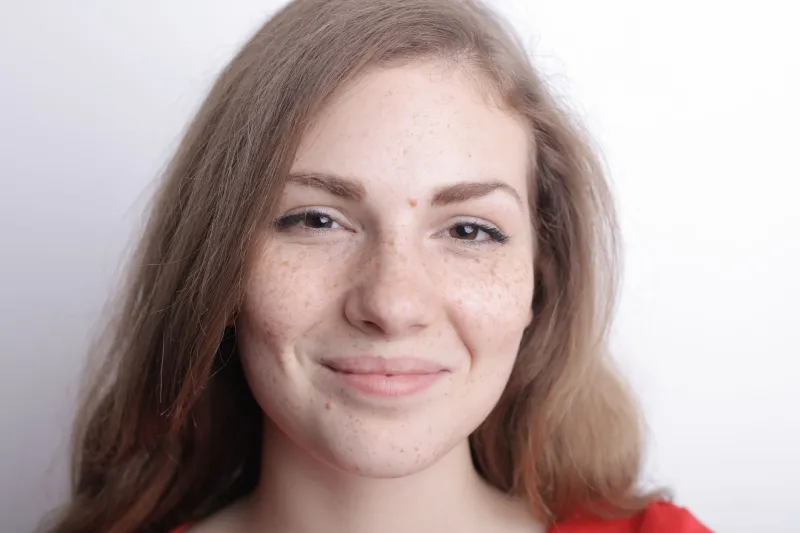
Photo by Photo by Moa Király on Unsplash on Unsplash
There's something almost rebellious about a giraffe. That pattern — those irregular, sun-drenched patches against a pale canvas — doesn't follow any rulebook. No symmetry required. No apologies given. It's bold by nature, and right now, beauty is taking notes.
For the better part of a decade, the dominant aesthetic in skincare and makeup was less. Barely-there foundation. Neutral lids. The "no-makeup makeup" look ruled Instagram and Pinterest boards from coast to coast. Clean lines, calm palettes, restraint as a virtue. But something has shifted — and if you've spent any time scrolling through TikTok lately, you've already felt it.
Maximalist beauty is back, and this time it's not just a trend. It feels more like a reckoning.
The Pendulum Swings (Hard)
Beauty trends have always moved in cycles, but what's happening right now feels different from a simple aesthetic pivot. According to New York-based makeup artist and educator Dani Reeves, the shift is rooted in something deeper than boredom with neutrals.
"After years of being told that 'clean' meant invisible, people — especially younger consumers — started asking why," Reeves says. "Why does minimal equal sophisticated? Why does more pigment mean less credibility? That questioning opened a door."
That door has since swung wide open. Across social platforms and in indie beauty spaces, you're seeing chrome-dipped nail art inspired by animal prints, cut-crease eyeshadow looks layering three, four, even five contrasting shades, and graphic liner designs that treat the face like a canvas. The giraffe-patch aesthetic — organic shapes, earthy golds, deep browns, unexpected negative space — has become a genuine reference point for editorial beauty this season.
It's maximalism, yes. But it's maximalism with intention.
Gen Z Isn't Just Following Trends — They're Setting Terms
If there's one consumer group driving this aesthetic evolution, it's Gen Z. And their relationship with beauty is fundamentally different from previous generations. They grew up with filters and face-tuning, which means they're also more attuned — and more resistant — to the idea that beauty has a "correct" form.
"Gen Z consumers I work with don't want to look like everyone else," says Mara Osei, a brand collaborator and content creator based in Atlanta who partners with indie cosmetics labels on product development. "They want to look like themselves, but amplified. Pattern play, bold prints on the eyes or nails — that's not chaos to them. That's identity."
This is where maximalist beauty intersects with conscious consumerism in a way that might surprise people who assume the two are at odds. The assumption is that "conscious beauty" is all muted tones and minimalist packaging — calm, quiet, responsible. But that framing misses the point.
Conscious beauty, at its core, is about intentionality. It's about choosing what you put on your body — and into the world — with awareness. And increasingly, that includes choosing beauty that reflects who you actually are, not a sanitized, algorithm-approved version of yourself.
Expression as a Form of Resistance
There's a political undercurrent here worth naming. The pressure to be "natural," "effortless," and understated in beauty has historically fallen hardest on women, on people of color, and on anyone whose authentic self doesn't fit neatly into mainstream aesthetics. Maximalist beauty — the sequined lid, the geometric nail, the deliberate pattern — pushes back against that pressure.
Reeves puts it plainly: "When a Black woman rocks an intricate nail design or a dramatic eye, that's not excess. That's culture. That's craft. Maximalism has always lived in communities that mainstream beauty spent decades ignoring."
The fact that this aesthetic is now getting wider recognition is something worth sitting with. It's a good thing — but it also means brands have a responsibility to credit and compensate the communities and artists who built these looks long before they hit the mainstream beauty calendar.
What This Means for Your Beauty Routine
So how do you actually incorporate pattern play and bold maximalism into your day-to-day without feeling like you're wearing a costume? The key, according to Osei, is starting with one focal point.
"Pick your statement and build around it," she says. "If you're doing an editorial nail look — something with organic shapes, maybe a tortoiseshell or giraffe-inspired pattern — keep the rest of your face clean and glowing. Let the nails be the whole conversation."
For those drawn to eye looks, graphic liner is the most accessible entry point. A single geometric shape at the outer corner, done in a deep ochre or chocolate brown, nods to the maximalist moment without requiring hours of blending. Pair it with a clear gloss and your skin's natural texture front and center.
The conscious beauty angle here is real: investing in a few high-quality, multi-use pigments or a versatile liner rather than buying into every micro-trend that comes through your feed is both better for your wallet and better for the planet.
Brands Getting It Right
The maximalist moment is also creating space for indie brands to shine. Smaller cosmetics labels — many of them woman-owned and BIPOC-led — have been championing bold, playful formulations for years. Now, with a wider audience ready to receive them, these brands are finally getting their due.
What to look for: brands that talk openly about their pigment sourcing, that celebrate the artists and communities inspiring their palettes, and that create products designed to last and perform rather than just photograph well.
At Sophie La Girafe Cosmetics, this energy is baked into our DNA. The giraffe doesn't camouflage. It shows up fully, in its own pattern, on its own terms. That's the beauty standard we're here for.
The Bottom Line
Maximalist beauty isn't a rejection of clean, conscious values — it's an expansion of them. It's the argument that self-expression is inherently sustainable when it's rooted in authenticity rather than consumption for consumption's sake. You don't need every bold product. You need the ones that are genuinely, specifically yours.
So go ahead. Play with pattern. Layer the pigment. Let your look be a little wild, a little spotted, a little giraffe-brained. The beauty world is finally ready for it — and honestly, so are you.